
Complex Trauma
You don't have one big terrible thing to point to. You have a thousand small ones. And your body has been keeping score the whole time.
You're not sure you'd even call it trauma. Nothing dramatic enough happened. You just grew up in a house where it wasn't safe to have feelings, or where you were dramatic, or where love came with conditions attached, or where you learned very early that your job was to make things easier for everyone else.
And you did. You got very good at it.
Now it's Tuesday and you're doing fine. Mostly.
Except you snapped at your daughter this morning because you cut her banana when she wanted it whole and now she’s screaming at a frequency that will split your spinal cord in 2, just to spend the next three hours in a shame spiral about it.
Except you push through even though today your body feels like it's fighting you just to get dressed, because you already cancelled twice this month and you're terrified of becoming "the friend who's always sick," so you show up smiling and pay for it in bed for the next three days alone. Alone because if you hear one more person say “you seemed fine yesterday”, you might burn the whole world down.
Except you're mid-conversation, nodding, present enough to answer when spoken to, and then you notice twenty minutes have passed and you couldn't tell anyone what was said, including you.
Except you can't seem to let people close without pushing them away or holding on too tight.
Except you keep waiting for the other shoe to drop even when things are actually okay because peace has never felt safe, only like a warning.


You're harder on yourself than you'd ever be on anyone else — and you know it, and you can't stop.
You've thought about getting in your car and just driving. Not toward anything. Just away. And then the guilt arrives right behind it — what kind of person thinks that? Someone who is completely spent. That's who.
You numb out sometimes — TV, scrolling, binging true crime (yes, I said it), shopping, — anything to not sit alone with whatever is underneath.
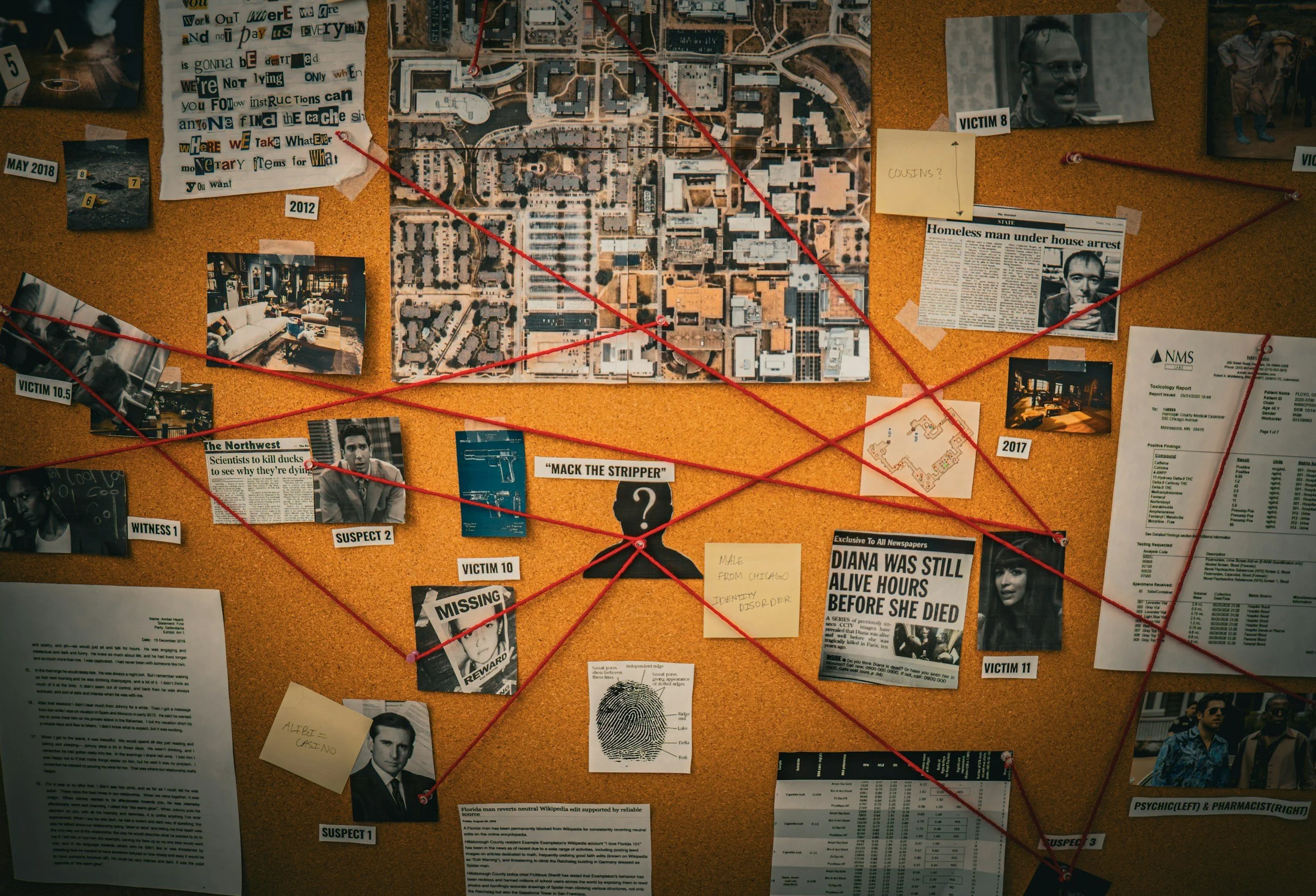
You over-explain yourself in conversations because somewhere along the way you learned that your needs required justification.
You give more than you have in relationships and keep ending up disappointed — and somehow still blame yourself for it.
You've been to therapy before. It was fine. Something still didn't shift. So then the story replays that you must not be doing it right, you actually are the problem, broken, and unworthy of joy.

Think of it like a spider web spun across years instead of a single night. A single-event injury is one thread snapped — painful, but you can see exactly where it broke and mend that one spot. Complex trauma is different: the threads were laid down early and repeatedly, each new strand woven onto the last before the silk had even set.
Pull on one thread — a relationship, a trigger, a memory — and the whole web trembles. Because everything is connected to everything else.
The web isn't just damaged, it's structural. A spider doesn't rebuild from nothing after a storm — it repairs using the same anchor points, because that's the architecture it knows. The coping patterns that look tangled or contradictory from the outside were often the only scaffolding available at the time. Each strand had a reason for being there.
That's also why healing isn't about yanking out the "bad" threads. You don't restore a web by tearing it down. It's slower: following each strand to see where it's anchored, understanding what it's connected to, and re-weaving with intention — strand by strand — until the structure holds without the tension that built it.
Complex trauma is different from a single traumatic event and understanding that difference changes everything about how we work with it.

This is why the thing that happened ten years ago still lives in your body right now. Why a look from someone can send you somewhere that has nothing to do with the present moment. Why you can understand your patterns completely and still not be able to stop them. The web doesn't care what your mind knows.
It responds to what it was built on.
We don't start with the hardest thread. We start by mapping the web — your history, your patterns, your nervous system, the parts that have been working overtime to hold the whole structure together.
We use parts work, somatic approaches, and DBT skills to work with the full picture. And when the foundation is solid enough, and you feel safe enough to come back to your body, we use trauma processing to actually move through the thing instead of just talking around it.
A lot of clients come here having spent years understanding themselves. What hasn't happened yet is feeling different. That's what this work is for.
One more thing: if you've been told your history isn't bad enough for this kind of help — that's not how complex trauma works. It's not about what happened. It's about what happened inside you as a result. That's enough.
What working together actually looks like
Not a different person. A version of you that isn't constantly bracing.
Clients who do this work describe waking up without the dread sitting on their chest before they've even opened their eyes. Being in a conflict with someone they love and not immediately assuming it means the relationship is over. Letting something good happen without waiting for it to be taken away. Feeling anger without it collapsing into shame five minutes later.
The hard days don't disappear. What changes is that they stop feeling like proof that you are fundamentally broken — and start feeling like hard days. The web doesn't have to hold all that old tension anymore. And that's a completely different experience of being alive.
What becomes possible